
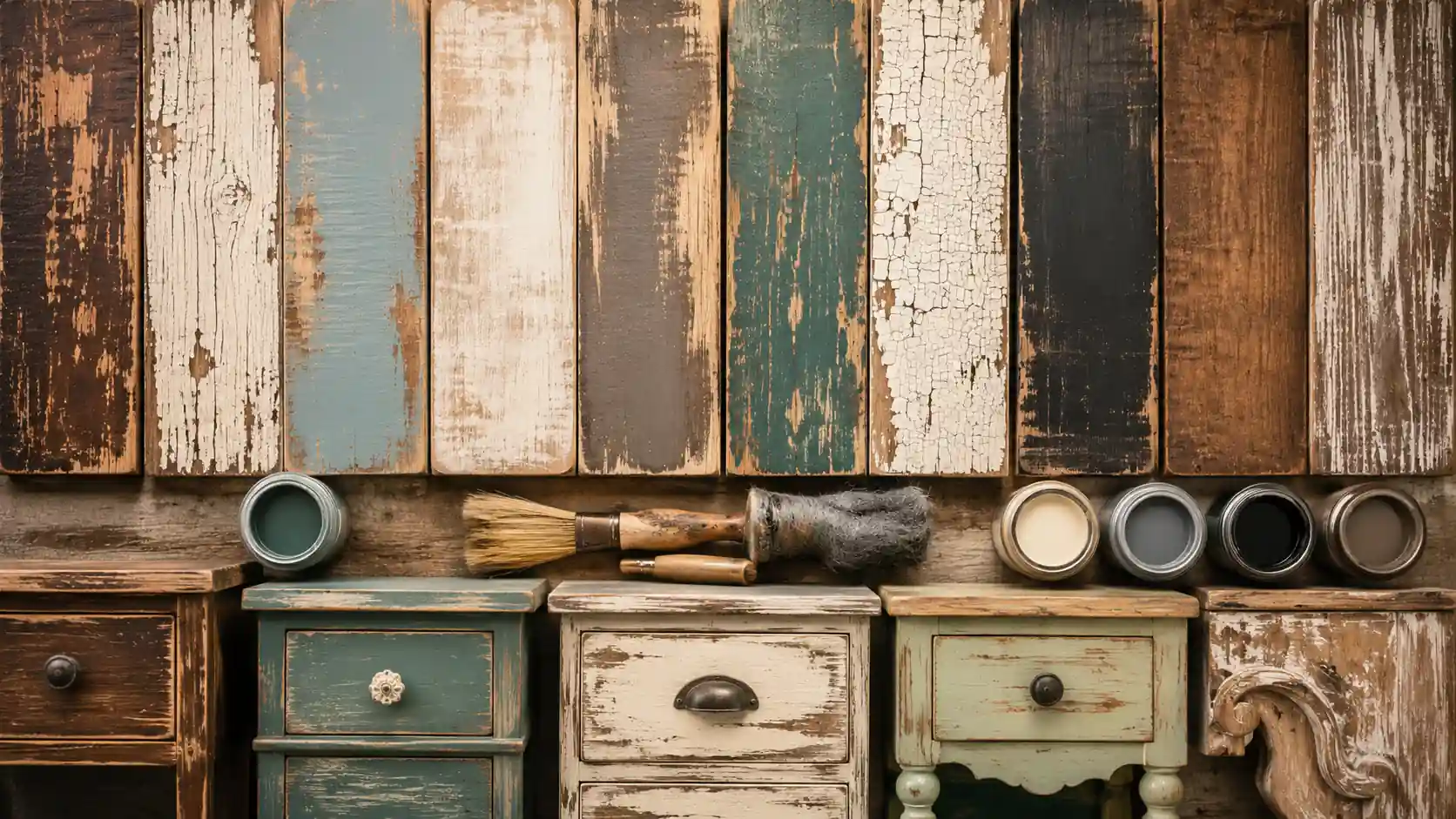
Distressed wood finishes have become one of the defining characteristics of rustic, farmhouse, industrial, and vintage-inspired woodworking. From handcrafted dining tables to custom cabinetry and architectural wall panels, a well-executed distressed finish gives new wood the warmth and personality of a piece that has naturally aged over decades.
Creating an authentic distressed appearance, however, requires much more than randomly sanding corners or adding scratches. Professional woodworkers carefully study how wood ages in real environments and reproduce those changes through controlled techniques that enhance texture, grain, color, and surface depth without weakening the material.
According to the 2024 U.S. Houzz Kitchen Trends Study, natural wood finishes, warm textures, and organic materials continue to rank among the most popular design choices in residential remodeling. This growing preference for handcrafted aesthetics has increased demand for professional distressed wood finishing techniques across furniture manufacturing, cabinetry, and architectural woodworking.
This guide explains how professionals create convincing vintage effects while preserving structural integrity, machining quality, and finish durability. You’ll learn which techniques produce the most realistic results, how different wood species respond to distressing, and how to protect the finished surface for years of service.
What Is a Distressed Wood Finish?
A distressed wood finish is a finishing method that intentionally recreates the visual effects of age, wear, and long-term use. Instead of allowing decades of natural exposure to change a surface, professional techniques simulate realistic aging under controlled conditions.
The objective is not to damage wood randomly but to imitate authentic wear patterns that develop through handling, environmental exposure, cleaning, and everyday use.
A professional distressed finish usually combines several elements:
- Controlled surface texture.
- Selective edge wear.
- Layered color variation.
- Visible grain enhancement.
- Protective topcoats that preserve the appearance.
When executed properly, the finished piece looks naturally aged while maintaining the same structural performance as newly manufactured furniture.
Distressed vs. Weathered vs. Reclaimed Wood
Although these terms are frequently confused, they describe different characteristics.
- Distressed wood is intentionally aged through woodworking and finishing techniques.
- Weathered wood changes naturally after years of exposure to sunlight, rain, humidity, and temperature fluctuations.
- Reclaimed wood is genuine previously used lumber recovered from older buildings or furniture.
- Antique finishes reproduce historical furniture styles through layered coloring and decorative aging techniques.
Understanding these distinctions helps woodworkers select the most appropriate finishing strategy for each project.
Why Distressed Finishes Continue to Grow in Popularity
Unlike perfectly uniform modern finishes, distressed surfaces introduce subtle variation that makes each piece unique. Designers often choose distressed wood because it combines craftsmanship with visual warmth and reduces the appearance of future minor scratches acquired during normal use.
These finishes are commonly specified for:
- Farmhouse furniture.
- Rustic kitchen cabinetry.
- Restaurant interiors.
- Boutique retail spaces.
- Architectural wall paneling.
- Decorative ceiling beams.
Understanding the Wood Before Distressing

The quality of every distressed finish depends on understanding how wood behaves. Species, grain orientation, density, moisture content, and porosity all influence how the surface responds to mechanical and chemical aging techniques.
Open Grain vs. Closed Grain
Open-grain woods such as oak and ash contain larger pores that naturally emphasize texture and absorb stains with greater variation. These characteristics often produce dramatic rustic effects.
Closed-grain woods such as maple and cherry have finer, smoother surfaces. They generally produce more refined distressed finishes with subtler transitions.
Choosing the appropriate species helps determine the final visual character before any finishing begins.
Earlywood and Latewood
Annual growth rings contain two distinct types of wood fiber.
Earlywood forms during rapid seasonal growth and is generally softer.
Latewood develops later in the growing season and is denser and harder.
Techniques such as wire brushing remove softer earlywood while leaving the harder latewood more prominent, creating the textured appearance commonly associated with reclaimed lumber.
How Wood Hardness Influences Distressing
The Janka hardness scale measures a wood species’ resistance to indentation. This property influences both the amount of physical effort required for distressing and the durability of the finished surface.
- Softwoods accept dents and texture easily.
- Moderately hard woods provide balanced aging effects.
- Very hard woods require more aggressive techniques but retain details longer.
Matching the distressing method to wood hardness allows professionals to create convincing results while avoiding excessive surface damage.
Preparing Wood Before Distressing
Successful distressed finishes always begin with careful preparation. Even though the goal is to create an aged appearance, the substrate must be clean, stable, and properly machined.
Selecting the Right Wood Species
Different species produce noticeably different visual effects.
- Pine creates soft farmhouse-style distressing.
- Oak develops pronounced rustic texture.
- Walnut produces elegant antique finishes.
- Cherry offers subtle vintage character.
- Maple excels in painted distressed furniture.
The intended design style should guide species selection before finishing begins.
Surface Preparation
Professional preparation usually includes:
- Removing machining marks.
- Progressive sanding.
- Cleaning sanding dust.
- Inspecting glue joints.
- Correcting defects that should not become part of the distressed appearance.
Proper preparation provides predictable results during every subsequent finishing stage.
Moisture Content and Finish Performance
Wood moisture content influences both dimensional stability and finish durability. According to the USDA Forest Products Laboratory, interior woodworking typically performs best when wood reaches equilibrium moisture content of approximately 6% to 9%, depending on regional climate.
Wood finished before proper acclimation may continue expanding or shrinking after installation, potentially altering distressing patterns or reducing coating performance.
Professional Distressing Workflow
Experienced finishers rarely rely on a single technique. Instead, they combine several complementary processes that gradually build texture, color, and visual depth.
A typical workflow includes:
- Evaluate the project and desired style.
- Select the appropriate wood species.
- Prepare and sand the surface.
- Create realistic texture.
- Apply color using stains or layered paint.
- Blend wear patterns naturally.
- Protect the finish with a suitable topcoat.
This systematic approach produces consistent, repeatable results while allowing flexibility for different furniture styles.
Top 10 Distressed Wood Finishing Techniques
1. Sanding Distressing
Definition: Sanding distressing selectively removes finish layers to recreate the natural abrasion that develops over years of use.
How it works: Instead of sanding uniformly, professionals focus on corners, edges, moldings, and frequently handled areas where real furniture naturally loses its finish first.
Best applications:
- Cabinet doors.
- Dining tables.
- Shelving.
- Painted furniture.
Advantages:
- Easy to control.
- Minimal equipment required.
- Highly realistic when combined with layered paint.
Limitations:
- Over-sanding quickly produces repetitive, unrealistic patterns.
Expected visual result: Soft edge wear that resembles decades of normal household use.
2. Dry Brushing
Definition: Dry brushing deposits a very small amount of paint onto raised surfaces while leaving recessed areas largely untouched.
How it works: Nearly all paint is removed from the brush before application. The remaining pigment lightly highlights grain, texture, and decorative details.
Best applications:
- Decorative moldings.
- Wall panels.
- Farmhouse furniture.
- Accent pieces.
Advantages:
- Enhances dimensional texture.
- Adds visual depth.
- Works well over stains or chalk paints.
Limitations:
- Requires a light touch to avoid excessive paint buildup.
Expected visual result: A softly faded finish with enhanced surface relief.
3. Layered Paint Distressing
Definition: Layered paint distressing recreates furniture that has been repainted multiple times throughout its life.
How it works: Multiple paint layers of contrasting colors are applied and selectively removed through controlled sanding.
Many professionals use chalk paint because its matte appearance and relatively porous surface simplify controlled distressing. Milk paint is another traditional option, especially for historic reproductions.
Advantages:
- Exceptional color depth.
- Authentic antique appearance.
- Highly customizable.
Limitations:
- Requires adequate drying time between coats.
Expected visual result: Rich layered finishes similar to antique cabinetry and vintage furniture.
4. Wire Brushing
Definition: Wire brushing removes softer wood fibers to emphasize natural grain texture.
How it works: Steel or brass brushes selectively remove earlywood while preserving harder latewood. This increases surface relief and stain variation.
According to the USDA Forest Products Laboratory, grain structure significantly influences finishing performance, making species selection particularly important for textured finishes.
Best applications:
- Oak.
- Ash.
- Pine.
- Architectural beams.
Expected visual result: Deep rustic texture resembling naturally weathered lumber.
5. Hand Scraping
Definition: Hand scraping removes extremely thin layers of wood using controlled cutting instead of abrasive sanding.
How it works: Cabinet scrapers or specialty hand tools introduce subtle irregularities that mimic traditional hand-crafted woodworking.
Advantages:
- Produces authentic artisan character.
- Enhances reflected light variation.
- Maintains clean transitions.
Limitations:
- Requires greater skill than conventional sanding.
Expected visual result: Elegant handcrafted surfaces with understated vintage character that remain suitable for premium furniture and architectural millwork.
6. Denting and Impact Distressing
Definition: Denting and impact distressing recreates the small compressions, knocks, and wear marks that naturally develop on furniture through decades of everyday use.
How it works: Instead of aggressively damaging the surface, professionals create subtle impressions using rounded hammers, wooden mallets, smooth chains, or dedicated texturing tools. The objective is to compress the wood fibers rather than fracture them.
Real furniture rarely shows identical damage. Successful distressing varies the size, depth, spacing, and location of each mark.
Best applications:
- Farmhouse dining tables.
- Rustic benches.
- Cabinet corners.
- Decorative beams.
- Vintage shelving.
Advantages:
- Creates convincing age.
- Adds tactile realism.
- Works well on softwoods.
Limitations:
- Overuse produces artificial-looking patterns.
- Should never compromise structural integrity.
Expected visual result: Natural impact marks that resemble decades of careful everyday use rather than intentional damage.
7. Stain Layering
Definition: Stain layering builds depth by applying multiple transparent color layers that simulate oxidation, sunlight exposure, and repeated refinishing over time.
How it works: Rather than relying on a single stain color, professionals gradually build tone using complementary shades. Each layer influences the next, creating subtle color transitions impossible to achieve with one application.
Typical workflow:
- Apply a light penetrating stain.
- Allow complete drying.
- Add darker tones selectively.
- Blend transitions with cloth or brush.
- Remove excess pigment from high-contact areas.
Advantages:
- Exceptional visual depth.
- Natural color variation.
- Greater realism.
Limitations:
- Requires patience between coats.
- Different species absorb stains differently.
Expected visual result: Rich color complexity that resembles naturally aged hardwood.
Understanding Wood Porosity and Pigment Absorption
One reason layered staining creates such convincing results is that wood absorbs pigment differently depending on its porosity and grain orientation.
Open-grain species generally accept more stain within their pores, while closed-grain woods retain more color on the surface. This natural variation contributes significantly to realistic distressed finishes.
Professional finishers often test stain combinations on offcuts before finishing the final project because absorption characteristics vary considerably between species.
8. Glaze Aging
Definition: Glazing is a finishing technique that deposits translucent color primarily in recesses and textured areas to increase visual contrast.
How it works: Because glazes dry more slowly than stains, they provide greater working time. Excess glaze is wiped away from raised surfaces while darker pigment remains in carvings, corners, joints, and grain texture.
Best applications:
- Decorative cabinetry.
- Raised panel doors.
- Carved furniture.
- Architectural moldings.
Advantages:
- Highlights fine details.
- Produces authentic antique appearance.
- Excellent color control.
Limitations:
- Heavy application can obscure fine details.
Expected visual result: Enhanced shadows and subtle aging that emphasize craftsmanship.
9. Controlled Chemical Aging
Definition: Chemical aging accelerates natural color changes by reacting with compounds already present inside the wood.
How it works: Some hardwoods contain high concentrations of natural tannins. Solutions such as iron acetate react with these tannins to create gray, brown, or weathered tones without relying solely on pigments.
Not every species responds equally.
- Oak generally reacts strongly.
- Walnut reacts moderately.
- Maple often shows limited reaction.
- Pine usually requires additional treatment.
Advantages:
- Natural weathered appearance.
- No heavy pigment buildup.
- Excellent for reclaimed aesthetics.
Limitations:
- Results vary by species.
- Always test on scrap material.
- Proper ventilation and personal protective equipment are essential.
Expected visual result: Naturally oxidized tones similar to decades of environmental exposure.
10. Burnishing and Edge Wear Simulation
Definition: Burnishing recreates the smooth polished surfaces that develop after years of repeated handling.
How it works: Instead of removing material, controlled friction compresses surface fibers and softens edges. Wax or oil may then be applied to enhance the subtle sheen.
Best applications:
- Drawer fronts.
- Handrails.
- Chair arms.
- Table edges.
- Cabinet pulls.
Advantages:
- Extremely realistic.
- Enhances tactile quality.
- Complements other distressing techniques.
Limitations:
- Produces subtle effects rather than dramatic texture.
Expected visual result: Smooth edge transitions that accurately imitate decades of human contact.
Choosing the Best Protective Finish
A distressed appearance is only complete once the surface has been properly protected. The finish must preserve the visual effect while resisting abrasion, moisture, and routine cleaning.
Oil Finishes
Penetrating oils enhance grain definition while maintaining a natural matte appearance. They are easily repairable and particularly suited to handcrafted furniture.
Wax Finishes
Wax produces a soft sheen and pleasant tactile feel. Although it requires periodic maintenance, it remains a favorite for antique reproductions and decorative furniture.
Polyurethane
Polyurethane provides excellent abrasion resistance for high-use furniture, including dining tables and cabinetry. Matte and satin formulations generally preserve distressed aesthetics better than high-gloss coatings.
Water-Based Finishes
Modern water-based finishes offer excellent clarity, low odor, and reduced yellowing over time. They are often selected when maintaining lighter distressed colors is important.
Choosing the Right Technique for Your Project
Professionals rarely select a technique based solely on appearance. They evaluate the intended application, expected wear, wood species, and maintenance requirements.
- Farmhouse furniture: Sanding, dry brushing, layered paint.
- Luxury cabinetry: Glazing, hand scraping, burnishing.
- Rustic beams: Wire brushing and stain layering.
- Restaurant interiors: Impact distressing with durable polyurethane.
- Decorative wall panels: Wire brushing combined with chemical aging.
Common Distressing Mistakes to Avoid
Even experienced woodworkers can create unrealistic finishes if proper planning is overlooked.
- Repeating identical wear patterns.
- Ignoring natural grain direction.
- Using excessive force during distressing.
- Applying stains without testing.
- Selecting incompatible topcoats.
- Skipping moisture acclimation.
- Using gloss finishes on vintage-style projects.
Studying genuine antique furniture remains one of the most effective ways to understand how authentic aging develops.
Professional Examples
Rustic Dining Table
A white oak dining table may combine wire brushing, layered stain, hand scraping, glaze aging, and matte polyurethane. Each technique contributes a different characteristic while maintaining long-term durability.
Farmhouse Kitchen Cabinet
Painted pine cabinetry often benefits from layered chalk paint, selective sanding, burnished edges, and protective wax or matte lacquer. The result is a finish that appears naturally worn while remaining easy to maintain.
Architectural Wall Panels
Commercial interiors frequently specify distressed oak panels finished with wire brushing, chemical aging, and water-based matte coatings to achieve reclaimed aesthetics with consistent manufacturing quality.
Professional Tips for Authentic Vintage Finishes
- Study naturally aged furniture before distressing new wood.
- Match techniques to wood species.
- Control moisture content before finishing.
- Always test finishes on scrap material.
- Build color gradually rather than applying heavy coats.
- Blend transitions instead of creating sharp boundaries.
- Protect the completed finish according to its intended environment.
- Remember that subtle distressing almost always appears more authentic than excessive wear.
According to guidance published by the USDA Forest Products Laboratory Wood Handbook, proper surface preparation, stable moisture content, compatible finishing systems, and appropriate wood selection remain fundamental factors influencing long-term finish performance. These principles apply equally to distressed finishes and contemporary furniture finishes.
Conclusion
The most successful distressed wood finishing techniques combine technical knowledge with artistic restraint. Rather than creating random imperfections, professionals reproduce the natural effects of time through carefully controlled texture, color variation, selective wear, and durable protective finishes.
Understanding wood anatomy, grain structure, hardness, moisture behavior, pigment absorption, and finishing chemistry allows woodworkers to produce convincing vintage aesthetics while maintaining the quality expected from modern craftsmanship.
Whether your goal is to build farmhouse furniture, restore traditional cabinetry, manufacture architectural millwork, or create one-of-a-kind custom pieces, mastering these professional distressing methods will help you produce authentic finishes that remain beautiful and durable for many years.
Frequently Asked Questions (FAQs)
Sanding distressing is usually the easiest technique because it requires minimal equipment and allows gradual control over the amount of visible wear.
Some engineered wood products can be distressed, but results depend on veneer thickness and surface construction. Solid wood generally provides greater flexibility and more authentic results.
Chalk paint and milk paint are among the most popular choices because they create matte finishes that are easy to distress and produce convincing vintage effects.
Matte polyurethane provides the best balance of durability and authentic appearance for frequently used furniture. Wax and oils offer a more traditional look but require periodic maintenance.
Yes. Wood that has not reached equilibrium moisture content may continue to expand or contract after finishing, potentially affecting coating performance, joint stability, and long-term appearance.
Pine, oak, walnut, cherry, and maple are all excellent choices. The best option depends on the desired texture, color, hardness, and overall design style of the finished project.


